CalmMind I Meditation Mobile Application
CalmMind serves as an effective platform for promoting mindfulness and relaxation, helping users achieve their meditation goals and improve their overall well-being.
The Challenge
Most meditation apps look clinical or overly corporate. The client came to us wanting something different: an app that felt genuinely calming the moment you opened it, backed by a broad library of content and easy enough to use that people would actually return to it daily. We mapped those goals against a concrete target audience and defined three non-negotiables early: a soothing UI, wide-ranging meditation content, and friction-free navigation throughout.
What We Built
App Design and User Interface
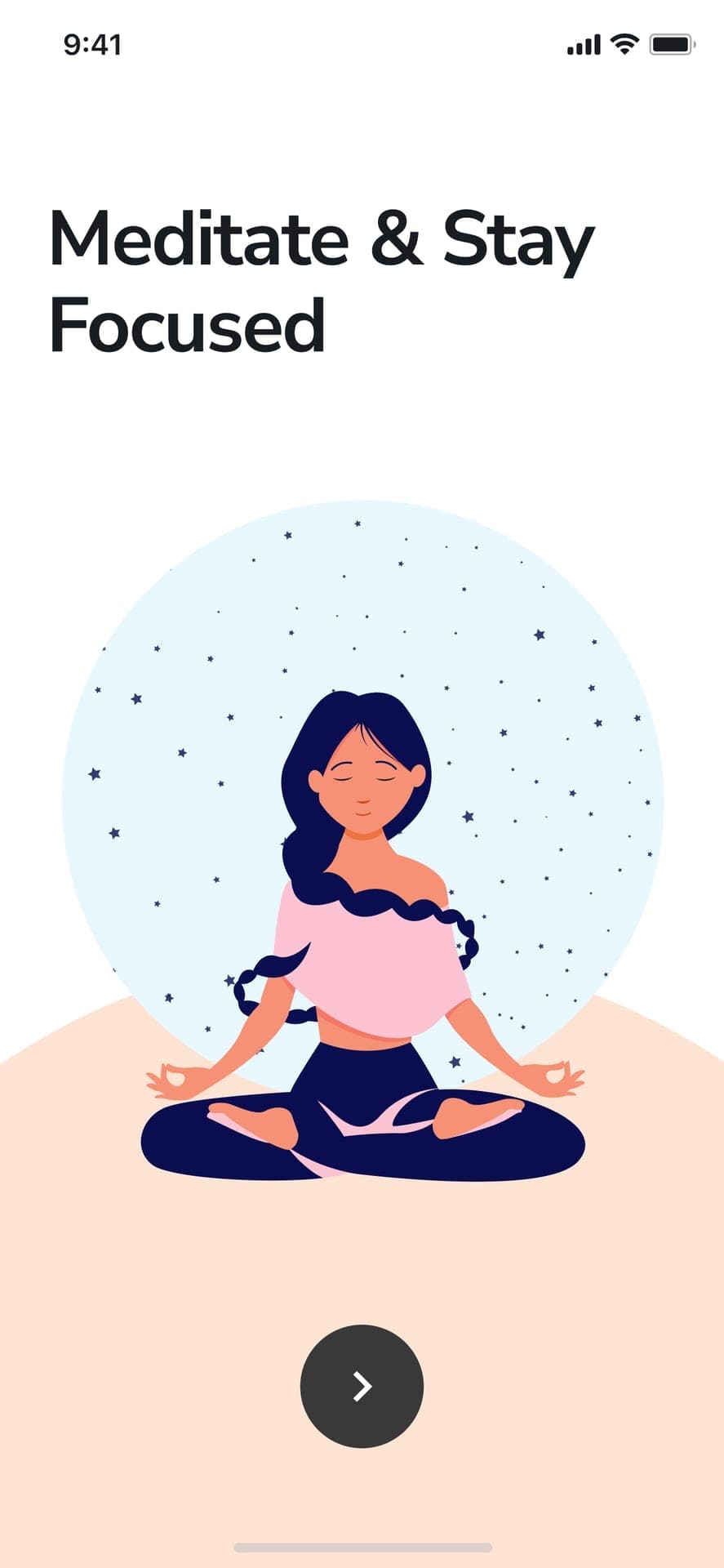
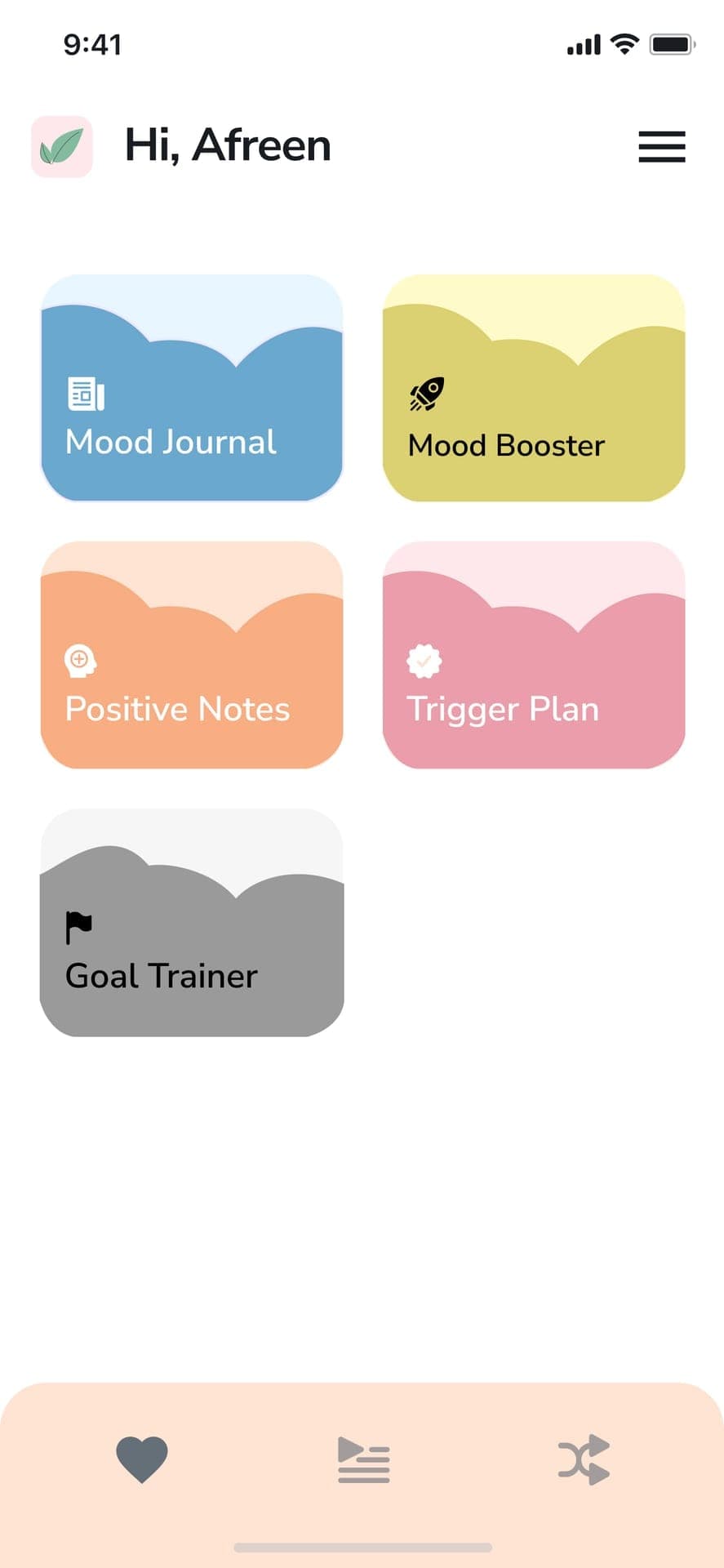
We designed the UI around one question: does opening the app feel like a relief? Soft colors, restrained typography, and generous whitespace do the heavy lifting. Navigation is shallow by design — two taps to any session. Information placement follows how someone actually uses a meditation app, not how a default component library is laid out.

Meditation Content Library
The guided meditation library covers stress relief, sleep, focus, and relaxation. Each theme has sessions ranging from five minutes to over thirty, so someone squeezing in a lunchtime break and someone doing a long evening wind-down both find what they need. We organised the catalogue so users spend under ten seconds browsing before they press play.
Personalized Meditation Plans
Generic programs don't stick. So we built an onboarding flow that collects each user's goals and preferences upfront, then surfaces a program matched to them. Not a one-size-fits-all starter sequence — an actual recommendation based on what they told us they needed. Users who complete onboarding return far more consistently than those who skip it.
Mindfulness Tracker
The tracker logs every session automatically. Users see their streaks, mood trends, and cumulative practice time in one glance. We kept the visualisations simple on purpose: a chart that needs a legend defeats the point of a mindfulness app. The goal was data that motivates without adding cognitive load.

Calming Soundscapes and Music
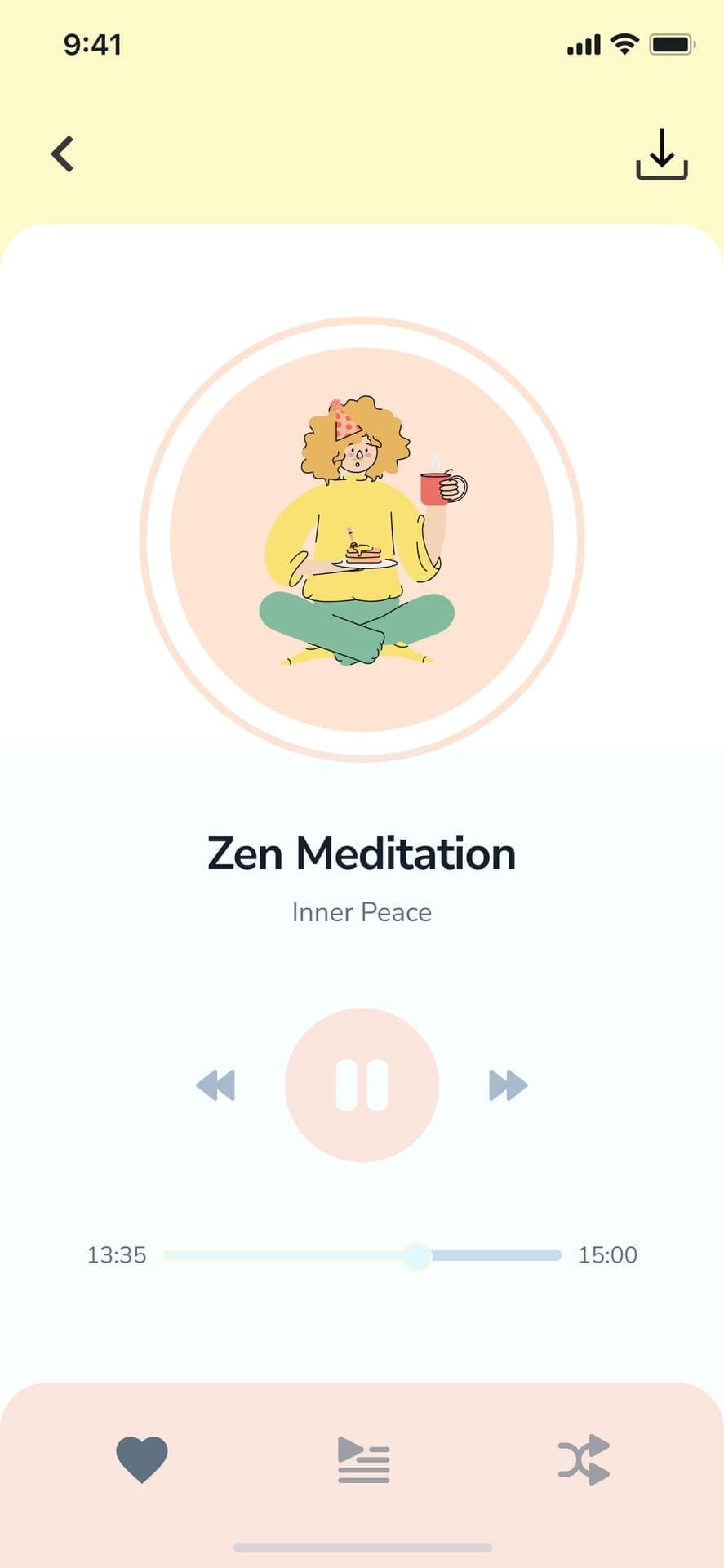
The app includes a selection of calming soundscapes and background music. Users can choose from nature sounds, white noise, or ambient music to accompany their sessions. High-quality audio integration and smooth playback strengthen the app's calming effect.
User Testimonials and Reviews
The app includes a section where users can share their experiences with the meditation sessions. These testimonials are placed to showcase positive feedback and reinforce the app's effectiveness in promoting mindfulness.
Community and Support Features
The app includes a community section where users connect with fellow meditators, share experiences, and join group challenges. Support is handled through a detailed FAQ, a contact form, and live chat, so users can get help without leaving the app.

Mobile Responsiveness and Compatibility
The app is fully responsive and compatible across different devices and screen sizes. The layout and functionality work well on both smartphones and tablets, so users can access and use the app comfortably from any device.
SEO and Performance Optimization
App store optimization techniques were applied to improve visibility in search results, covering the app's title, description, keywords, and tags. Performance optimization — efficient coding and data caching — was also employed to enhance load speed and overall user experience.
The Result
The app launched with users already building daily streaks, which is the clearest sign a wellness app is working. The harder design problem wasn't feature breadth; it was keeping everything calm and navigable as the content library expanded. We solved that through strict information hierarchy and an onboarding flow that means no user stares at a blank starting screen. The client is now adding new session categories each month, and the architecture handles that growth without a redesign.